
Stronger institutions, digitalization, productive approaches to debt, and a shift in mindset are shaping how African countries mobilize and use more of their own resources for development, influencing how governments strengthen revenue collection, manage borrowing, expand the tax base, and direct public resources toward investments that generate economic and social returns.
In Uganda, the question is how to bring more businesses into the tax system while giving young enterprises room to grow. Rwanda is using digital platforms to make tax administration and public services more efficient. Zambia is applying lessons from debt distress to strengthen how it borrows, manages risk, and chooses public investments.
These experiences converge around a larger question facing the continent. How can African countries mobilize more of the resources generated within their economies and direct them toward the investments needed for transformation?
The question shaped the African Capacity Building Foundation (ACBF)'s second Know Your Think Tanks in Africa webinar on August 26, 2026, held under the theme “Financing Africa's Transformation: Domestic Resource Mobilization and Development Finance.”
The conversation brought experiences from Uganda, Rwanda and Zambia into dialogue with the African Union's continental agenda on domestic resource mobilization, debt and development finance.

ACBF Head of Communication and Influencing Fatou Diouf, who moderated the session, opened the discussion by placing African agency at the center of that agenda.
“Africa is not a continent without resources. So, the question is no longer only how do we attract more financing to the continent, but how do we better mobilize, retain and use the resources we already have.”
From there, the discussion examined what stronger domestic resource mobilization requires in practice, from institutions capable of implementing policy to digital systems, growing businesses, productive borrowing and a shift in how Africa approaches its own capacity to finance development.
Strong institutions turn policy into revenue
Prof. Sarah Ssewanyana, Executive Director of Uganda's Economic Policy Research Centre (EPRC), placed political economy and institutional quality among the major factors affecting domestic resource mobilization.
Countries can develop sound policies and still lose potential revenue through weak enforcement, poorly managed tax exemptions and institutional compromises. Stronger institutions, she argued, improve the ability of governments to enforce policy consistently.
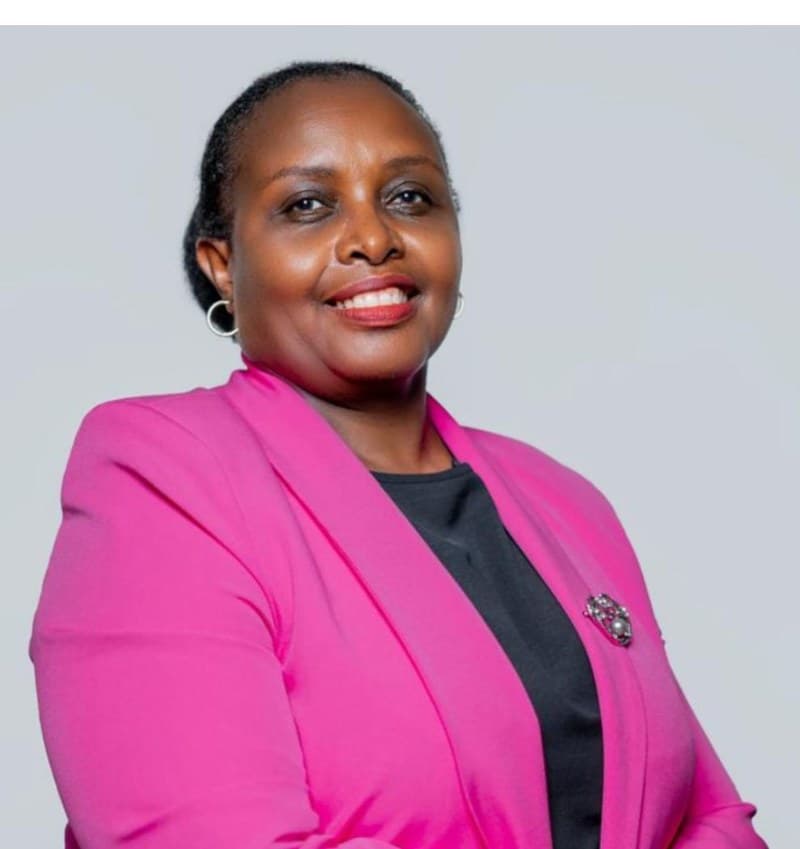
Eugenia Kayitesi, Executive Director of the Institute of Policy Analysis and Research Rwanda (IPAR-Rwanda), brought implementation into the discussion. Policies and strategies require institutions capable of carrying them through, supported by accountability, transparency, effective governance and leadership.
Zambia Institute for Policy Analysis and Research (ZIPAR)'s Executive Director, Zali Chikuba, connected institutional quality to public investment. Governments need stronger systems for selecting projects with high economic and social returns and for monitoring whether expenditure produces the results for which it was approved.
Together, their contributions placed institutional capability directly within the financing equation. Revenue collection, investment decisions, implementation and accountability determine how effectively countries can turn available resources into development results.
Digital systems are changing revenue collection
Uganda and Rwanda offered practical examples of how technology is changing tax administration.
Uganda has introduced digital tax administration, electronic fiscal receipting and invoicing systems and digital tax stamps. Ssewanyana said technology has contributed to improved tax collection and can help governments strengthen compliance.
“We need to be intentional in terms of really investing into digitalization.”
Rwanda has expanded electronic billing machines, e-filing, electronic payments and compliance automation. Kayitesi also pointed to IremboGov, the country's digital platform for government services, as an example of how digital public infrastructure can improve efficiency and reduce opportunities for resource leakage.
Zambia is pursuing similar changes. Chikuba described efforts to digitize revenue systems and reduce the human interaction associated with manual processes. Mobile money transactions and other electronic payment systems are also creating opportunities to broaden participation in the formal economy.
These experiences place digital capacity alongside tax policy as an important part of domestic resource mobilization. Governments need the infrastructure, skills and institutions to operate these systems effectively and extend their reach.
Growing the tax base means growing businesses
The informal economy brought another dimension to the discussion.
Ssewanyana drew on Ugandan research showing that informal businesses often provide livelihoods for people unable to secure formal employment. Many entrepreneurs finance their businesses themselves, and she indicated that about 85% use their own savings. Young businesses also face significant challenges surviving long enough to grow.
Her argument focused on creating conditions that allow businesses to develop before increasing their tax obligations. Support for growth and formalization can eventually produce enterprises with greater capacity to contribute revenue and create employment.
Rwanda has pursued simplified tax brackets for small and medium enterprises, which Kayitesi said have helped integrate more businesses into the formal tax system while accounting for differences in their size and capacity.
A growing productive base therefore becomes part of the domestic resource mobilization agenda. Businesses that survive, expand and enter the formal economy increase the pool from which governments can sustainably raise revenue.
Zambia's debt experience puts productivity at the center
Zambia's recent debt experience brought the consequences of fiscal choices into sharper focus.
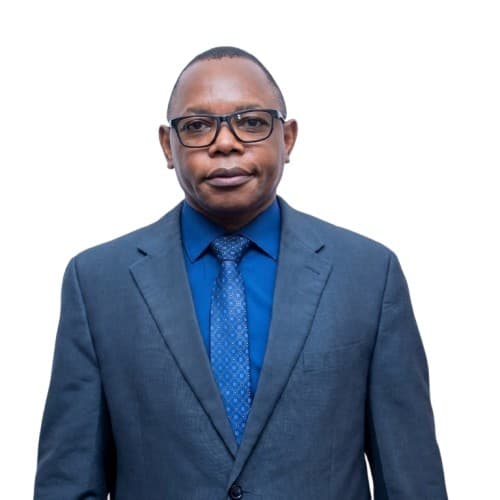
Chikuba traced the country's debt difficulties to weaknesses in risk management, public investment and the alignment of borrowing with long-term development priorities. Expenditure requirements grew beyond domestic revenue as access to commercial debt expanded.
“The best financing that you can ever deploy for development is domestic revenue.”
Debt restructuring has since created room for institutional reforms. Zambia established a debt management office, resumed debt sustainability analysis and strengthened processes around the approval and oversight of borrowing.
Chikuba also emphasized how governments manage revenue windfalls. ZIPAR has conducted research on progressive approaches to mineral royalties that allow public revenue to increase as commodity prices rise. He argued that part of those gains can create fiscal buffers capable of supporting public finances when prices fall.
From debt sustainability to debt productivity
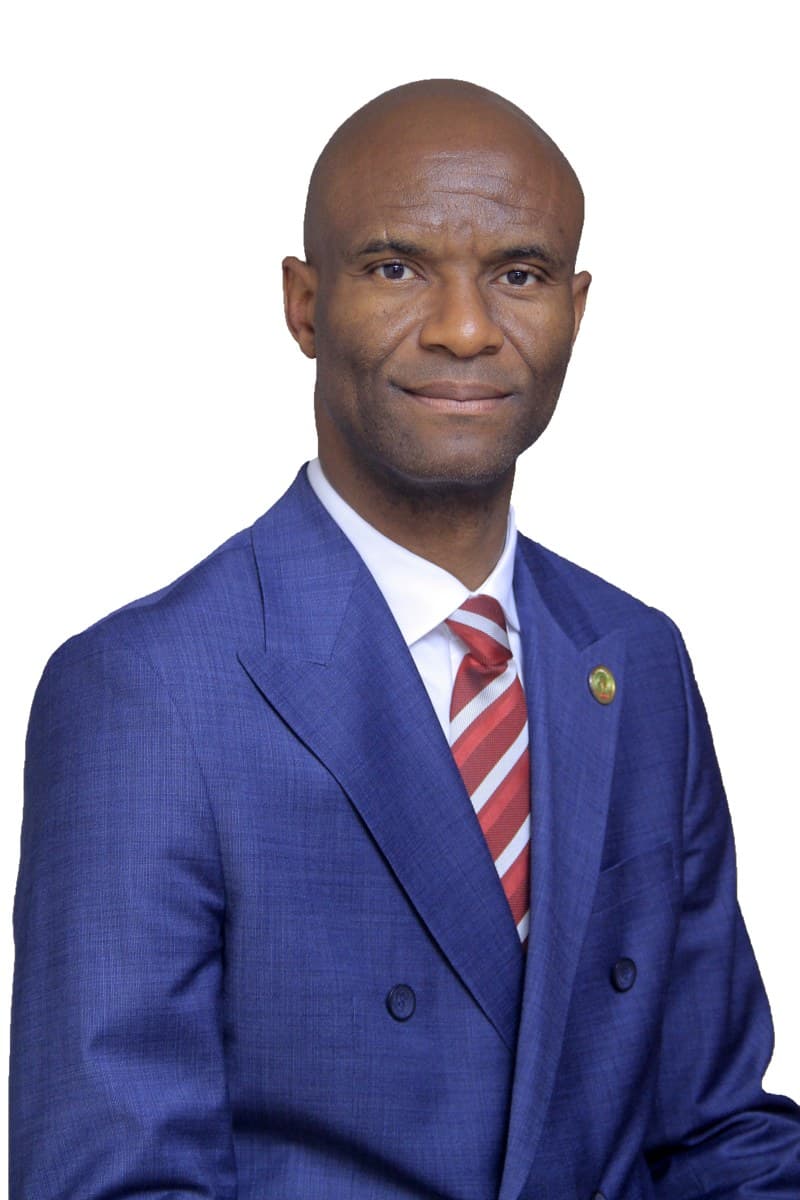
Dr. Patrick Ndzana Olomo, Head of Economic Policy and Sustainable Development at the African Union Commission, pushed the debt discussion further.
“Africa should shift from debt sustainability to debt productivity.”
The distinction directs attention toward what borrowed resources produce. Investments financed through debt can expand economic capacity and generate future resources when governments direct borrowing toward productive priorities.
Olomo connected that approach to the Common African Position on Debt, adopted by African Union heads of state during the February 2026 AU Summit, and to continental efforts to strengthen Africa's voice in discussions on debt and the global financial architecture.
He also stressed regional coordination. Domestic resource mobilization intersects with illicit financial flows, international taxation, debt markets and cross-border economic activity, giving African countries a shared interest in coordinated approaches.
Olomo extended the productivity argument to regional integration, emphasizing the role of AfCFTA in building a productive economic zone capable of generating resources and supporting development across the continent.
Financing transformation requires a mindset change
The conversation eventually reached an issue that cannot be addressed through a new tax system, financing instrument or debt framework alone.
Ssewanyana raised the question of mindset change and asked how the African Union was approaching it. Olomo connected his response directly to Agenda 2063.
“What we have to understand when you read Agenda 2063, the first point that is made is about the mindset change on the continent.”
He pointed to African achievements in digital innovation, aviation and structural transformation as evidence that the continent can draw greater confidence from solutions and experiences developed within Africa. M-Pesa, which emerged from the continent and helped reshape digital payments, offered one example.
“Let us present ourselves also as a land of opportunity, as a land of the future, as a land that has the potential to transform the world.”
That mindset has practical implications for development finance. African countries manage domestic revenues, pension assets, natural resources and other pools of capital that can play a greater role in financing development. Olomo called for stronger African ownership over how these resources are mobilized and invested.
Diouf returned to the same point as she reflected on the discussion.
“It's a journey of opportunity, of positive outcomes and lessons, and it's important to change the narrative that is on the continent.” “It's not a fight that we need to fight alone.”
She also emphasized the value of collective action in addressing domestic resource mobilization, debt and illicit financial flows.
The exchange placed mindset change alongside institutional reform. Greater confidence in African capabilities can support stronger national action, while cooperation across countries can increase the continent's influence on financial issues that extend beyond national borders.
Evidence for the decisions ahead
The experiences shared during the webinar also demonstrated the contribution African think tanks can make to fiscal decision-making.
EPRC generates evidence on taxation, informality and household welfare in Uganda. IPAR Rwanda examines institutional and economic reforms shaping Rwanda's development. ZIPAR contributes research on taxation, mineral revenues, debt and fiscal management in Zambia.
Their work gives policymakers evidence rooted in African economies and institutions. ACBF's Know Your Think Tanks in Africa series creates a platform for those experiences to move across borders, allowing institutions to learn from approaches being tested elsewhere on the continent.
The Aug. 26 conversation connected those country experiences with a wider continental direction. Stronger institutions can improve revenue collection and public investment. Digital systems can strengthen administration.
Growing enterprises can expand the future tax base. Productive borrowing can create economic value, and coordinated African positions can strengthen the continent's influence in global financial discussions. Domestic resource mobilization is about building the capacity to finance Africa's development on stronger and more sustainable foundations.
Olomo captured the direction in a call for African countries to align their policies, practices and institutions so that domestic resource mobilization becomes “an asset for our development.”
Watch “Financing Africa's Transformation: Domestic Resource Mobilization and Development Finance” and explore more conversations from ACBF's Know Your Think Tanks in Africa series.