
The gap between policy ambition and implementation continues to shape development outcomes across Africa, influencing whether reform commitments translate into measurable impact.
Addressing this challenge shaped discussions during the first session of the African Capacity Building Foundation (ACBF)’s 2026 Know Your Think Tanks in Africa (KYTTA) Webinar Series, where experts from across the continent reflected on lessons from the 2025 Africa Think Tank Summit (ATTS) and explored practical pathways for strengthening implementation and advancing development outcomes.
Held on June 11, 2026, the webinar brought together policymakers, researchers, and development practitioners to examine the institutional, financial, and governance conditions needed to turn policy commitments into tangible results for citizens, businesses, and communities. Participants shared experiences from across the continent and explored how stronger implementation can accelerate sustainable development and economic transformation.
The KYTTA Webinar Series is part of ACBF’s flagship initiatives for African think tanks, highlighting the vital role research institutions play in advancing evidence-based policymaking and sustainable development across the continent. The series serves as both a capacity-building initiative and a convening platform, creating space for research institutions to demonstrate how local expertise informs policy decisions and development outcomes.

Through the networks of the Africa Think Tank Platform and its research consortia, KYTTA contributes to the aspirations of the African Union's Agenda 2063, which places evidence-informed policymaking, capable institutions, and inclusive economic transformation at the center of Africa's long-term development vision.
During the webinar, participants reflected on a challenge that continues to shape development outcomes across Africa. Said Abdrahamane Dicko, Director of Programs and Impact at ACBF:
“Africa does not suffer from a shortage of ideas, strategies, or policy frameworks. Rather, our greatest challenge remains implementation.”
His remarks set the tone for a discussion that explored implementation challenges across sectors, from public financial management to energy reform, while highlighting the growing role of think tanks in supporting accountability, learning, and policy delivery.
Building on the Momentum of ATTS 2025
The 2025 Africa Think Tank Summit focused on strengthening public financial management and bridging the gap between policy commitments and implementation. Discussions examined domestic resource mobilization, fiscal governance, accountability systems, and institutional capacity.
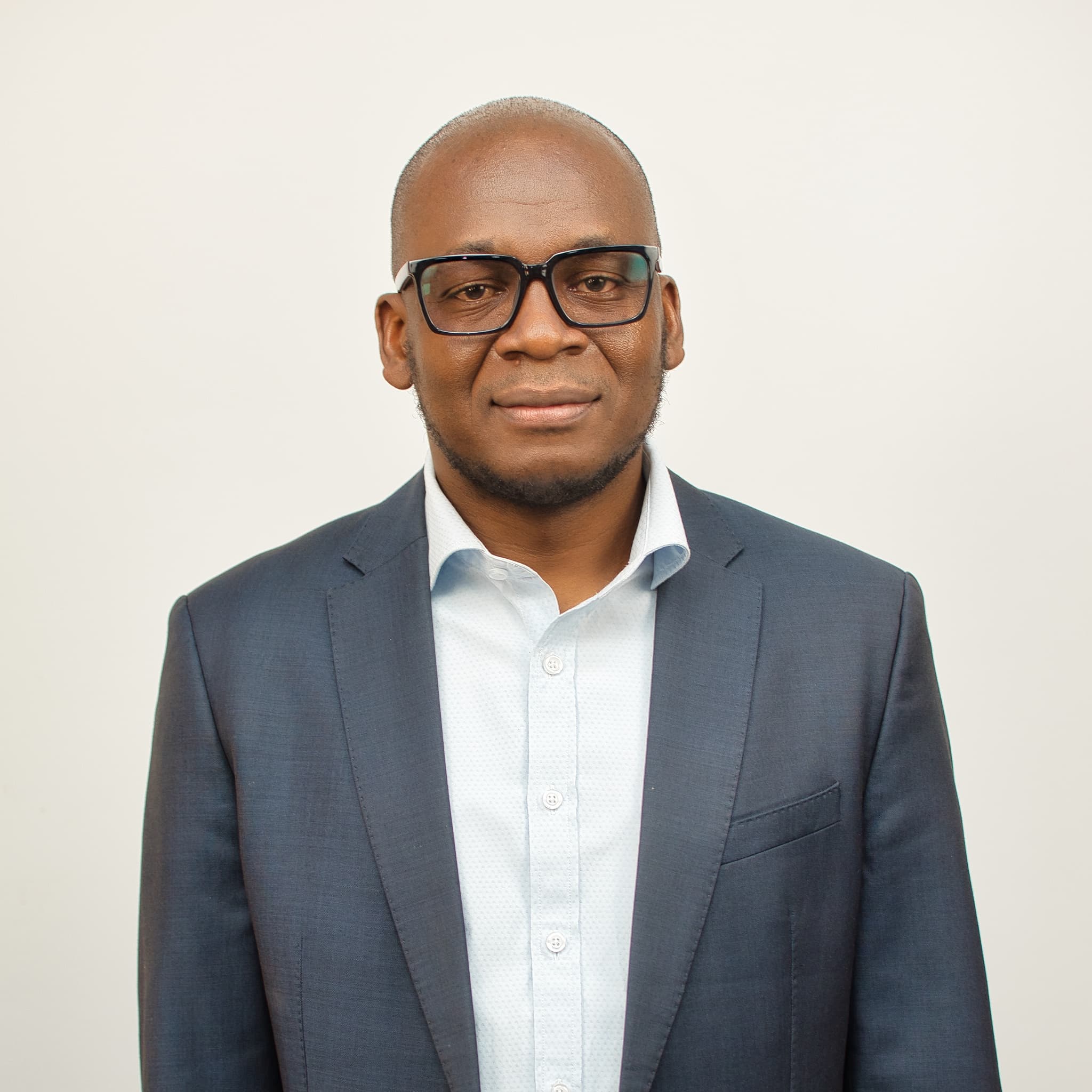
Drawing on findings from the post-summit survey, Barassou Diawara, Senior Knowledge Management Expert and Coordinator of the Africa Think Tank Network at ACBF, highlighted the high level of engagement following the 2025 Summit.
The impact of those conversations extended well beyond the event itself, with a post-summit survey revealing that 72% of respondents took concrete action, while 92% formed or are pursuing new partnerships.
In his reflections during the webinar, he summarized one of the discussion's central conclusions:
“Implementation, not formulation, is Africa's PFM frontier.”
Nearly all respondents reported implementing initiatives or developing plans inspired by discussions held during the gathering. These outcomes reinforced the Summit’s growing role as a platform for collaboration, learning, and action.
Diawara noted that the research-to-policy gap remains one of the most significant unresolved issues facing Africa’s development agenda and emphasized the importance of strengthening follow-up mechanisms that support implementation and accountability.
The lessons emerging from ATTS 2025 now provide an important foundation for the energy-focused discussions planned for Cotonou.
Those lessons carry relevance for the energy sector, where institutional capacity, financing, governance, accountability, and stakeholder coordination remain central to reform efforts.
As African countries pursue ambitious plans to expand access, improve reliability, and attract investment, the ability to translate policy commitments into measurable results will continue to shape the sector’s contribution to economic growth and development.
Why Implementation Remains Central
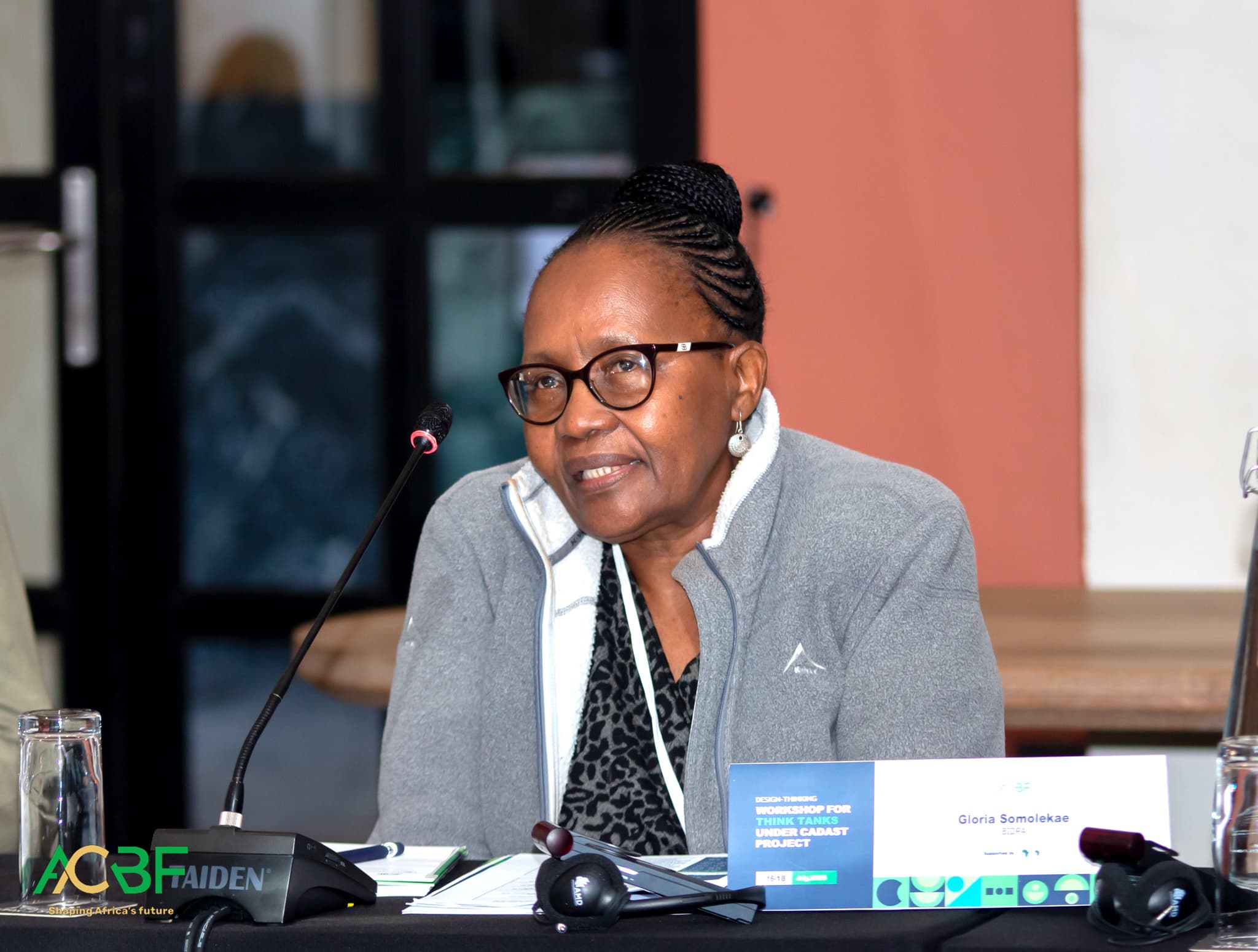
The webinar discussions repeatedly returned to the importance of implementation. Gloria Somolekae, Executive Director of the Botswana Institute for Development Policy Analysis (BIDPA), emphasized that implementation challenges take different forms across countries and sectors and that progress depends on understanding the specific obstacles affecting each context.
Her reflections reinforced the importance of moving from diagnosis to action and ensuring that institutions remain focused on delivery.
“Africa does not lack the policies, but the problem is implementation.”

Fadel Ndiame, Executive Director of the Partnership for African Social and Governance Research (PASGR), encouraged participants to broaden their understanding of what implementation requires.
“Implementation requires a different set of capabilities, engagement, relationships, governance, and trust.”
His contribution emphasized the importance of integrating implementation considerations from the earliest stages of policy design. Stakeholders need clarity around objectives, financing, responsibilities, incentives, and expected outcomes. Strong implementation emerges from deliberate planning, collaboration, and continuous learning.
Ndiame also offered a perspective relevant for complex reforms involving multiple actors and long implementation timelines. “Policymaking is a learning process,” he said, encouraging institutions to build systems that support feedback, adaptation, and course correction throughout implementation.
He further observed that “the best policy ecosystems are not the ones that avoid mistakes but those that detect and correct mistakes as they go,” highlighting the value of institutional learning and continuous improvement.
The Evolving Role of Think Tanks
The webinar also explored how African think tanks are evolving to meet the demands of a changing policy environment. Traditionally viewed as producers of research and policy recommendations, many think tanks are increasingly contributing to implementation support, stakeholder engagement, monitoring, and accountability processes.
Dicko described this shift by urging think tanks to position themselves as partners in implementation and become “catalysts for change” capable of helping bridge the gap between policy design and delivery.
Diawara emphasized that think tanks play a critical role in implementation and described the research-to-policy gap as “a defining challenge” for Africa’s development agenda.
This evolving role aligns with the aspirations of the African Union’s Agenda 2063, which places strong emphasis on effective institutions, evidence-informed policymaking, regional integration, and inclusive economic transformation.
Think tanks contribute to these objectives by generating knowledge, supporting implementation, fostering accountability, and strengthening the links between policy commitments and development outcomes.
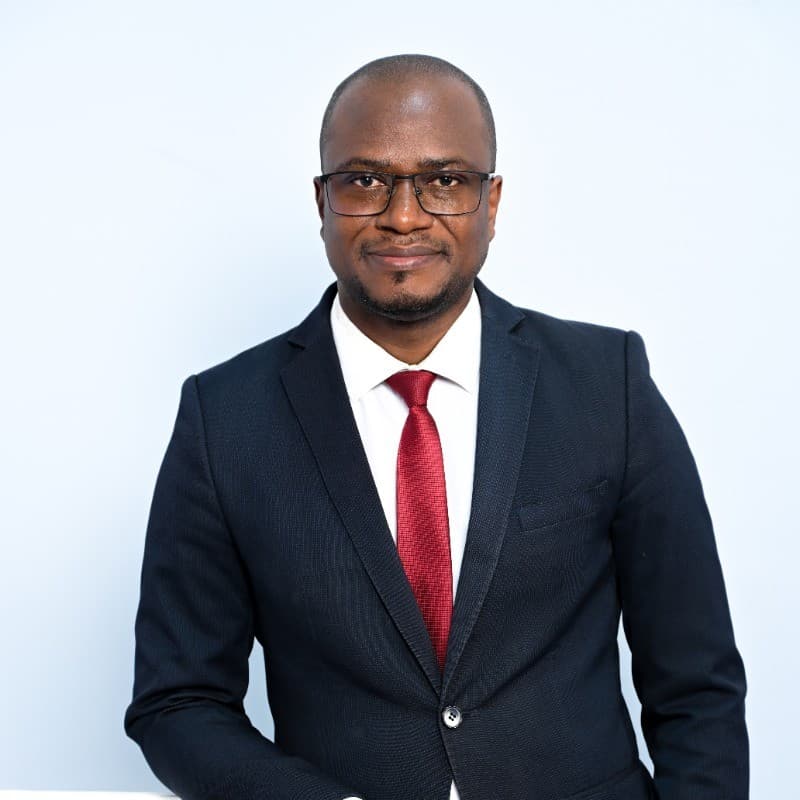
Rodolphe Bance, Head of the Economic and Social Governance Unit at ACBF, stressed the importance of collective action.
“Development is not the monopoly of the government.”
He called for stronger partnerships among all stakeholders involved in the policy process. Bance also highlighted the importance of domestic resource mobilization and institutional readiness, noting that countries require both financial resources and capable institutions to deliver reforms successfully.
His remarks reflected a broader theme that ran throughout the webinar. Effective implementation requires coordinated effort, shared ownership, and continuous engagement across institutions and sectors.
Strengthening Accountability and Citizen Engagement
Another important dimension of the discussion focused on accountability and citizen participation.

Marième Gnagna Thiam, Head of Public Financial Management Capacity Building and Research at the International Budget Partnership (IBP), highlighted the importance of stronger collaboration between think tanks and civil society organizations.
“By connecting these two worlds, think tanks and civil society, we can transform local observations into consolidated, comparable data.”
She explained that connecting technical expertise with community-level experience creates stronger evidence, more credible advocacy, and greater accountability.
Think tanks bring expertise in budgeting, macroeconomic analysis, fiscal policy, and public financial management, while civil society organizations contribute grounded insights from communities and frontline service delivery. Together, these perspectives create opportunities to better understand implementation challenges and improve public service outcomes.
Thiam also stressed the importance of documenting implementation gaps and strengthening accountability systems.
“In most African countries, the recommendations of courts of auditors and general state inspectorates go unimplemented.”
Her remarks underscored the need for stronger monitoring and follow-through mechanisms. As countries pursue ambitious reform agendas, systems that support transparency, learning, and accountability will play an increasingly important role in sustaining progress and strengthening public trust.
The Road to Cotonou
The themes that emerged during the KYTTA webinar will continue to shape discussions at the Africa Think Tank Summit 2026, which will take place in Cotonou, Benin, from Oct. 28–30.
Under the theme “From Energy Access to Economic Transformation: Practical Policy Pathways for Power Sector Viability, Growth, and Reform in Africa,” the Summit will examine how African countries can build energy systems that support productivity, competitiveness, investment, and inclusive growth.
Energy plays a critical role in advancing industrialization, supporting digital transformation, strengthening regional trade, creating jobs, and improving the delivery of essential public services. The Summit will explore practical policy pathways that connect energy sector reform to broader economic objectives, with particular attention to productivity, competitiveness, investment, and inclusive growth.
Convened by ACBF, the African Union Commission, and the Government of the Republic of Benin, the Summit continues a long-standing tradition of bringing together policymakers, researchers, government officials, development partners, and practitioners to address pressing development priorities. The Africa Centre for Equitable Development (ACED) serves as the local partner, while various other global, regional, and national institutions will contribute as strategic partners.
Its focus extends beyond discussion toward action through structured follow-up mechanisms that will track commitments and review progress after the Summit, reinforcing a stronger culture of implementation, accountability, and results.

Fatou Diouf, Head of Communications and Influencing at ACBF and moderator of the webinar series, highlighted the importance of turning policy ambitions into measurable results.
“Across the continent, governments continue to develop ambitious policies and reform agendas, supported by growing evidence and research. Yet one of the most persistent challenges remains translating those well-crafted policies into effective implementation and measurable impact.”
Fatou also acknowledged the Government of the Republic of Benin and the Summit's organizing partners, including the Africa Think Tank Platform, the World Bank, the Hewlett Foundation, AUDA-NEPAD and others, for their continued support in advancing policy dialogue and collaboration across the continent.
In his remarks, Dicko reflected on the value of creating spaces where practitioners can learn from one another.
“Think tanks are often described as institutions that speak truth to power. But the real gift of a gathering like this one is something quieter. It is practitioners speaking truth to each other. No performance, no positioning. Just an honest reckoning of what works, what does not, and what comes next.”
The conversations that began through the KYTTA Webinar Series will continue in Cotonou as leaders from across Africa gather to explore practical pathways for strengthening energy systems, advancing implementation, and accelerating economic transformation.
ATTS 2026 offers an opportunity to engage with leading policymakers, researchers, development institutions, and senior government officials working to advance practical solutions for Africa’s energy future.
Learn more about the Summit and register here.